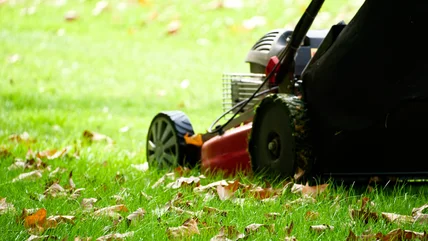
No Need For A Lawn Mower: Shred Leaves With An Alternative From Home Depot
To avoid pests and fungal growth in your yard, you must collect fallen leaves. Instead of discarding the pile, use this Home Depot tool to repurpose them.
Read More

To avoid pests and fungal growth in your yard, you must collect fallen leaves. Instead of discarding the pile, use this Home Depot tool to repurpose them.
Read More
Hydrangeas have grand blooms, but they're everywhere. For something different, try this shrub, which is gaining popularity in butterfly gardens in Zones 7 to 9.
Read More
Trying to keep prying eyes out of your backyard? Don't spend lots of money on a fence. This pretty flowering shrub with year-round interest will do the trick.
Read More
We all know to avoid weed killers wherever possible, but could other seemingly less harmful removal methods be jeopardizing the health of your shrubs and trees?
Read More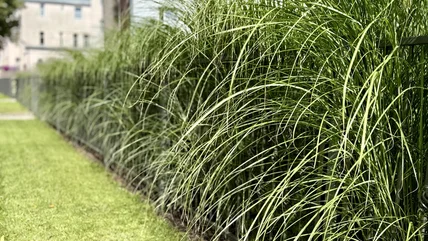
Instead of spending thousands of dollars building a fence, why not grow your own privacy screen? Native grasses have ecological as well as aesthetic benefits.
Read More
You may not think a plant that smells of peanut butter is appealing, but this odd characteristic is just one of the many benefits of this small, quirky tree.
Read More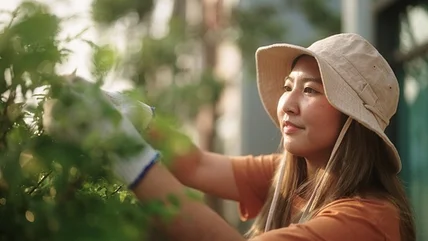
This blooming shrub grows up to 10 feet tall and 8 feet wide, bending into beautiful arches with white flowers. Here's how it can thrive in your garden.
Read More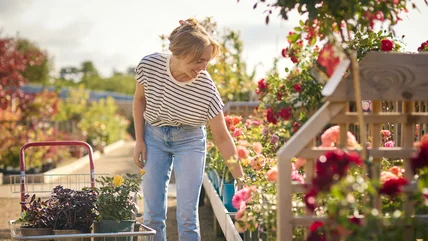
Cottage gardens prioritize flowers, so they're automatically also pollinator gardens. This whimsical rose is perfect for attracting more beneficial insects.
Read More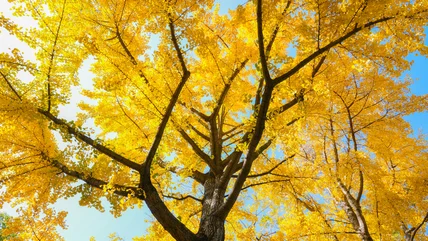
This tree species has been around for centuries. Gardeners love it for many reasons, including its grand canopy, vibrant fall foliage, and resilient growth.
Read More
This shrub grows less than 5 feet tall and wide, making it a great option for small gardens. Plus, it's stunning even when the white flowers aren't in bloom.
Read More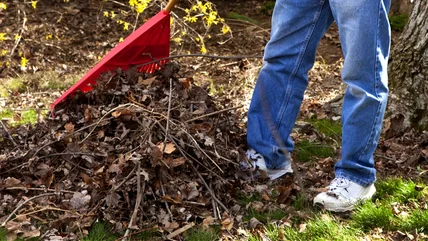
This Harbor Freight tool offers a solution to yard scraps, such as dried leaves and twigs, by turning them into smaller sizes suitable for mulch and compost.
Read More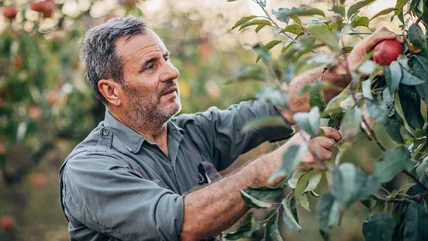
Fruit trees benefit from a layer of mulch in many ways, including nutrients, moisture retention, and insulation. This type of mulch is especially nutrient-rich.
Read More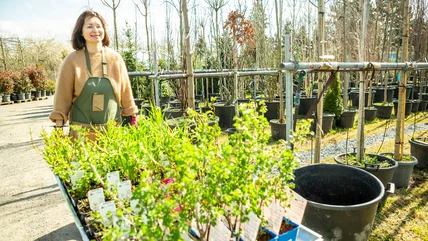
If you like to garden but live in a cold climate, you know how difficult it is to grow citrus. But there is a citrus tree you may not have heard of until now.
Read More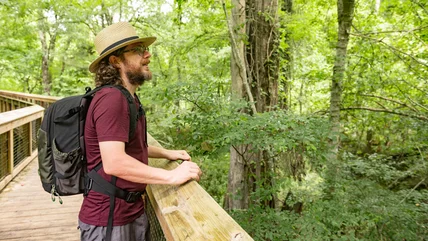
There's a vulnerable tree growing, among other places, in Torreya State Park and the Apalachicola Bluffs and Ravines Preserve that you could add to your yard.
Read More
Vines on brick walls are about as classic cottagecore as it gets, and this particular variety is remarkably easy to grow and looks more unique than basic ivy.
Read More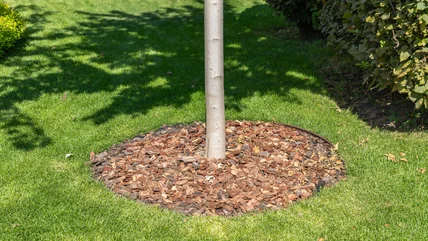
When you're mulching your trees in spring or fall, keep this handy 3-3-3 rule in mind so you can keep your trees healthy and thriving throughout the season.
Read More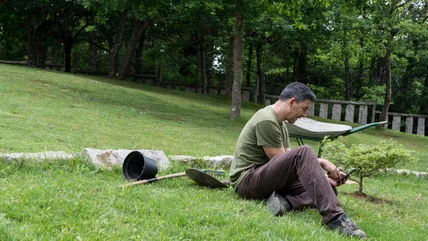
Sloped yards are challenging to maintain, but retaining walls aren't your only option. Instead, plant these native shrubs to combat soil loss from rainfall.
Read More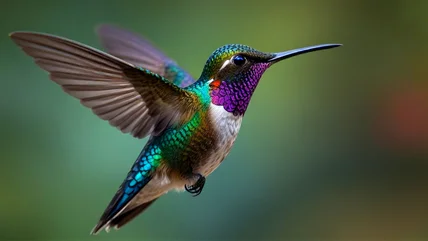
This low-maintenance perennial shrub combines pale blue blooms that draw in hummingbirds and fragrant foliage you can use in cooking. It has a trailing habit.
Read More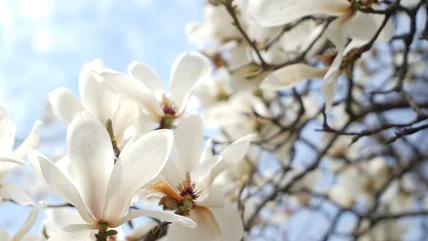
This compact tree blooms fragrant white flowers. And after they fade, it still has interest with color-changing foliage and berries that birds love.
Read More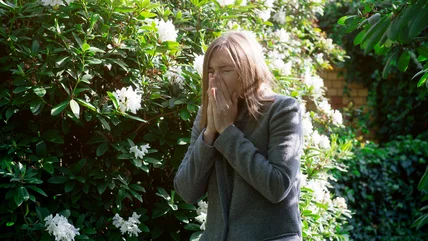
Are seasonal allergies making you regret your gardening hobby? Cultivate a low-allergen garden by planting species whose blooms contain heavy, sticky pollen.
Read More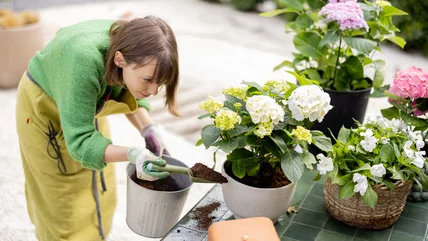
While a blooming hydrangea won't get lost in a garden, enhancing its impact won't hurt. Choose a companion plant with a dramatically contrasting growth habit.
Read More
This shrub explodes with lovely-smelling white flowers in early spring, and it’s not picky about soil conditions — including the occasional drought.
Read More
This shrub is one of the first to turn green in spring, followed by flowers and drupes that turn black in fall. Its introduction dates back to the 19th century.
Read More
Unlike mums, the purple of this plant doesn't appear in its blooms but rather along the edges of its leaves. The purple growth shimmers almost like pixie dust.
Read More
Climbing hydrangeas are beautiful on brick walls, but since they’re not native to the U.S., they’re not very popular with local pollinators. This vine is.
Read More
Why let the color fade when you can keep the show going? There are several fun reblooming varieties to choose from, with colors and sizes to suit your garden.
Read More
Skipping this important step before planting a tree could result in injuries, costly fines, disrupted utilities, and more — here’s what to know.
Read More