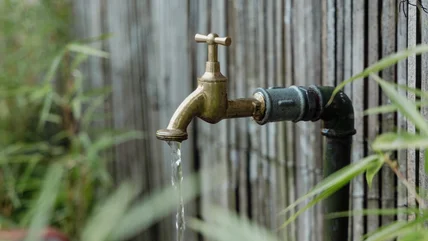
Your Backyard Could Use A Spigot: How To DIY The Cutest One
Instead of tiring yourself out walking around with a hose, learn how to make a moveable spigot for your backyard with a wooden fence post, spigot, and hose.
Read More

Instead of tiring yourself out walking around with a hose, learn how to make a moveable spigot for your backyard with a wooden fence post, spigot, and hose.
Read More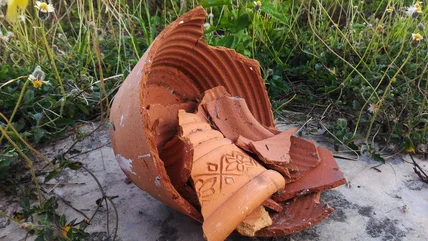
Clay pots are affordable and appealing, but they can also shatter easily. Repurpose the shards from a broken pot by using them to keep your garden organized.
Read More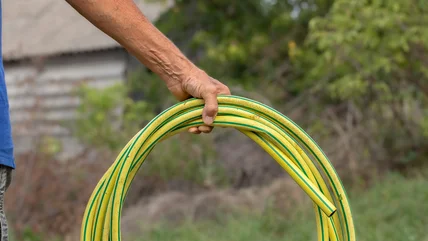
If old wire hangers are cluttering your closet, bend them into hooks that store your hose off the ground. This DIY only needs a hanger and a pair of hands.
Read More
No one wants to see Bermudagrass taking over their flower beds, but unfortunately, it's common. Luckily, you can stop the pesky weed with these solutions.
Read More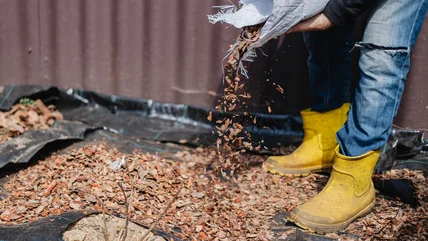
Chipping foraged branches is a laborious way to get garden mulch, especially when you might be able to get it delivered to your home by the truckload for free!
Read More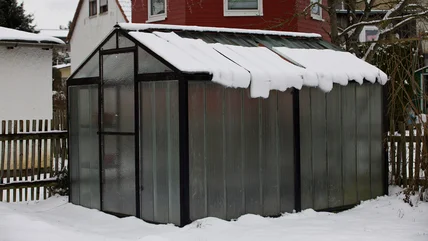
If you want to keep your greenhouse warm during winter, try this surprising heating source to maintain the temperature without buying an expensive product.
Read More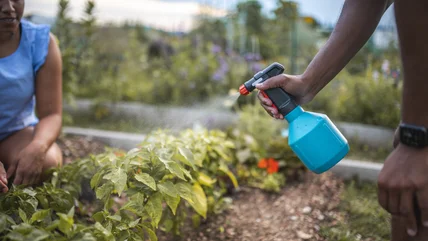
The last thing any gardener wants is chewing insect pests. To avoid them, use this non-toxic solution to protect your crops without harming the environment.
Read More
Did a recent soil test show a pH well above 7? It's alkaline. Thankfully, there are a few easy-to-find natural amendments you can use to bring the pH down.
Read More
Looking for clever ways to deter raccoons, squirrels, deer, or even the neighbor's cat from your yard? This off-grid option is affordable and easy to install.
Read More
If you live in a snow zone, you're likely very familiar with the effects of road salts on your garden. Protect your plants with an easy-to-apply soil amendment.
Read More
Shredded wood is a go-to for gardeners looking for affordable mulch, but it doesn't last long. There's a chunkier, more durable option that's just as natural.
Read More
Weeding between pavers by hand is not only a pain, it’s also not very effective. This tool set will get the entire weed, roots and all, with less work.
Read More
Orchids are attractive houseplants, and when kept healthy, they can blossom over and over. This simple homemade tonic can help your plants thrive.
Read More
Amish communities are known for keeping immaculate gardens without many modern materials. Learn more about a few of these tried-and-true weed control methods
Read More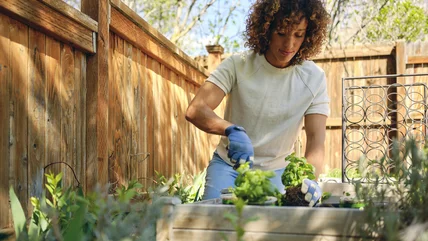
Tired of replacing your wooden garden beds every few years when the timber starts to rot and break? These materials last longer and arguably look even nicer.
Read More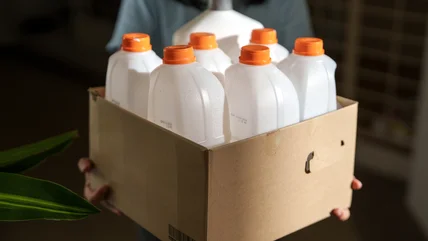
If you have a lot of milk jugs lying around or want to create your own hydroponic setup, you'll love the way this gardener turned them into one tall garden.
Read More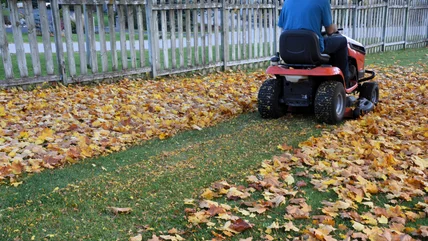
Shredding leaves is best to prep them for mulch or compost. While doing so with a lawn mower is easiest, this garden tool works to manually break them down.
Read More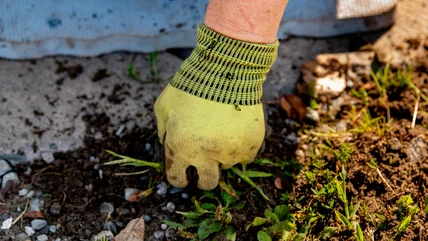
Got a huge area of weeds you need to remove? Hand-pulling is way too labor-intensive, and no one really likes to use chemical controls. Try this tool instead.
Read More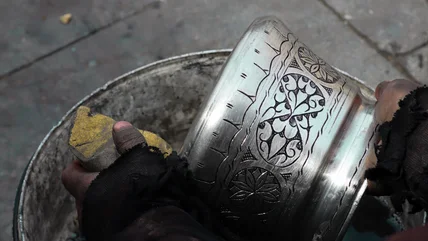
Got an old metal flower pot you no longer use but have been holding onto anyway? Clean it and turn it into cute storage for your garden hose with some paint.
Read More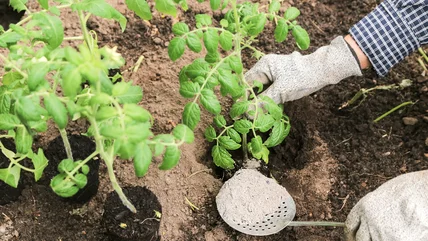
Growing your own tomatoes is surprisingly easy, and as this simple feed bag hack demonstrates, you don't even need any ground to plant them in.
Read More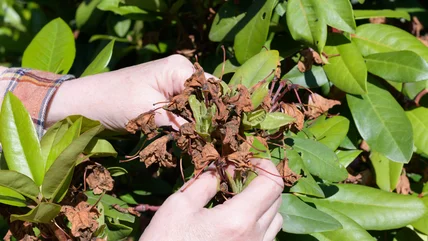
Using this tool for deadheading is both easier and more satisfying than pluck-pulling, as it creates clean, precise cuts with no hand fatigue.
Read More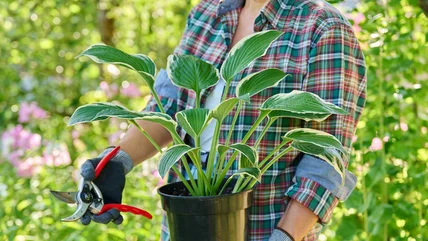
Keeping your hostas secure for winter isn't as hard as it seems, and it's never too late to tweak your treatment of this plant to ensure its survival.
Read More
Let's be really real. The standard ol' planters you get at garden centers seem downright boring when compared with a wheelbarrow you can weave from branches!
Read More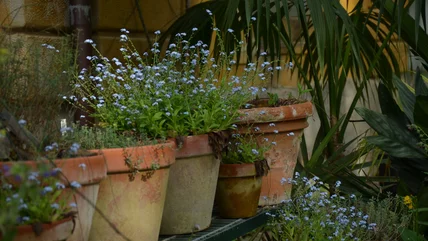
Terracotta pots can be repurposed for various things, but this affordable, unique DIY is sure to add style to your outdoor patio and impress your loved ones.
Read More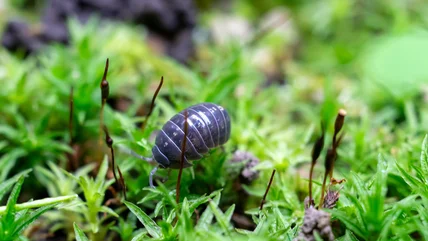
A pill bug problem can take care of itself when you use this simple DIY trap, a cheap and effective pest solution using ingredients straight from the kitchen.
Read More
If you can't stand vinegar's smell or your jug has run out, search the shelves for this dry, odorless ingredient that dries up weeds and prevents their return.
Read More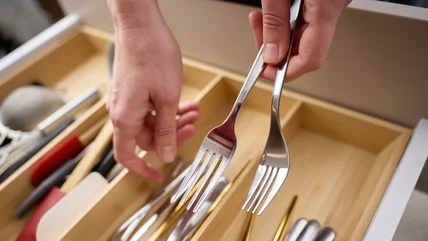
If you're an avid gardener, you know all the tools can add up in cost. Luckily, with a simple fork, you can keep your plant's roots healthy. Here's how.
Read More